🌱 Weed Guide

Madeira Lawn Weeds: An Identification Guide

The 16 weeds we see most in Madeira-area lawns — how to spot them, and what it takes to get rid of them.

Why ID matters

Perennial or Annual? It Changes Everything.

Perennial weeds live for years and come back from their roots, rhizomes or tubers — dandelion, clover, wild violet, ground ivy. They’re best controlled in fall, when they pull energy down into their roots, and the toughest ones take more than one treatment.

Annual weeds live one season and come back from seed — crabgrass, spurge, purslane in summer; henbit, chickweed and bittercress over winter. Many of these are best prevented with a pre-emergent, timed before the seeds germinate.

Spot-treating lawn weeds
Come back every year

Perennial Weeds

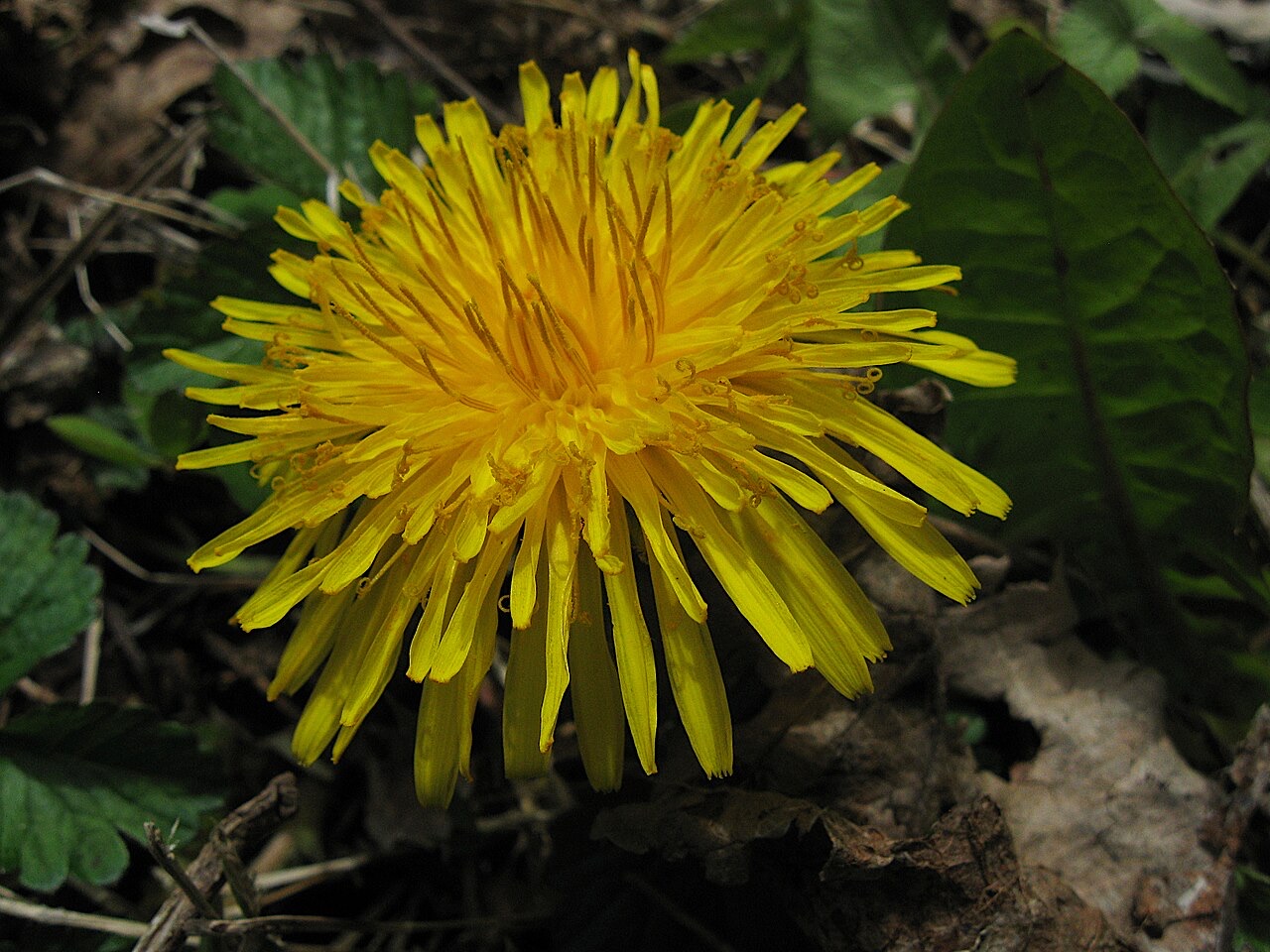
Dandelion (Taraxacum officinale) growing in a lawn
Perennial

Dandelion

Taraxacum officinale

How to spot it: Rosette of deeply toothed leaves, bright yellow flowers, fluffy white seed heads, and a long taproot.

How we control it: Broadleaf treatment in fall (best) or spring. Pulling rarely works — any taproot left behind regrows.
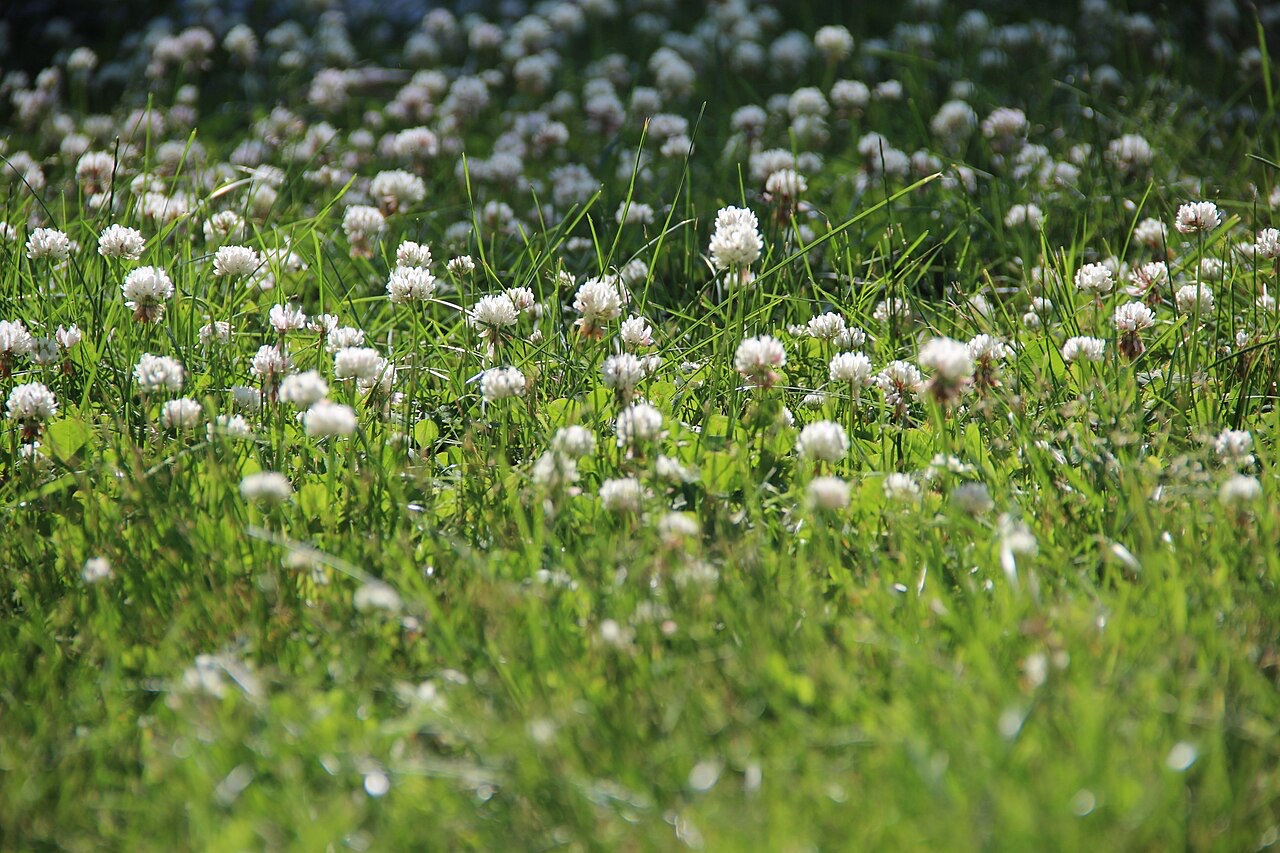
White Clover (Trifolium repens) growing in a lawn
Perennial

White Clover

Trifolium repens

How to spot it: Three rounded leaflets, often with a pale chevron, white ball-shaped flowers, and creeping stems that root as they spread.

How we control it: Broadleaf treatment plus fertility — clover thrives in lawns short on nitrogen.

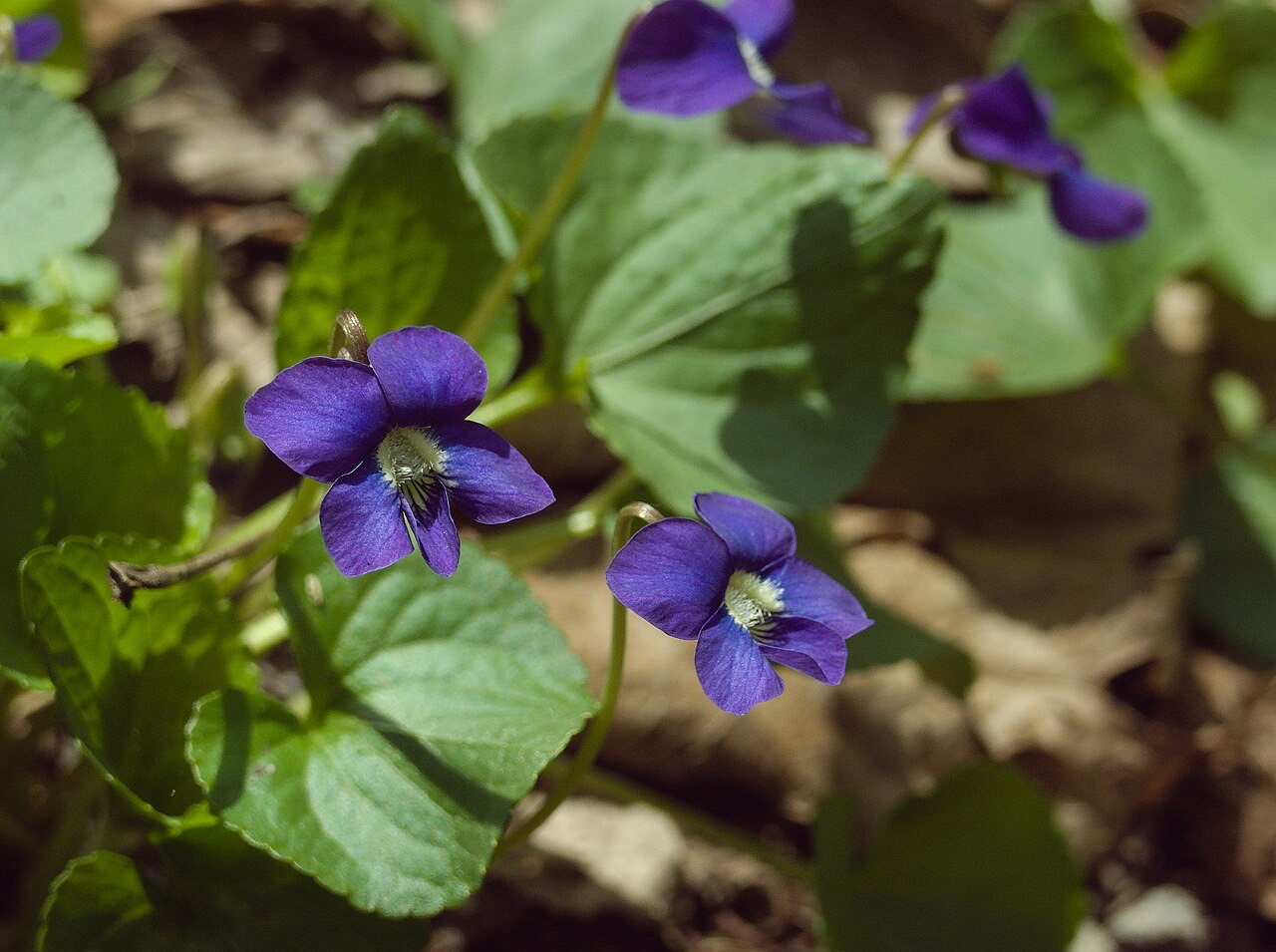
Wild Violet (Viola sororia) growing in a lawn
Perennial

Wild Violet

Viola sororia

How to spot it: Heart-shaped, waxy leaves and purple to white flowers in spring; loves shade and spreads by thick rhizomes.

How we control it: One of the toughest lawn weeds. Fall treatments, often repeated, work best — store-bought products usually just burn the leaves.

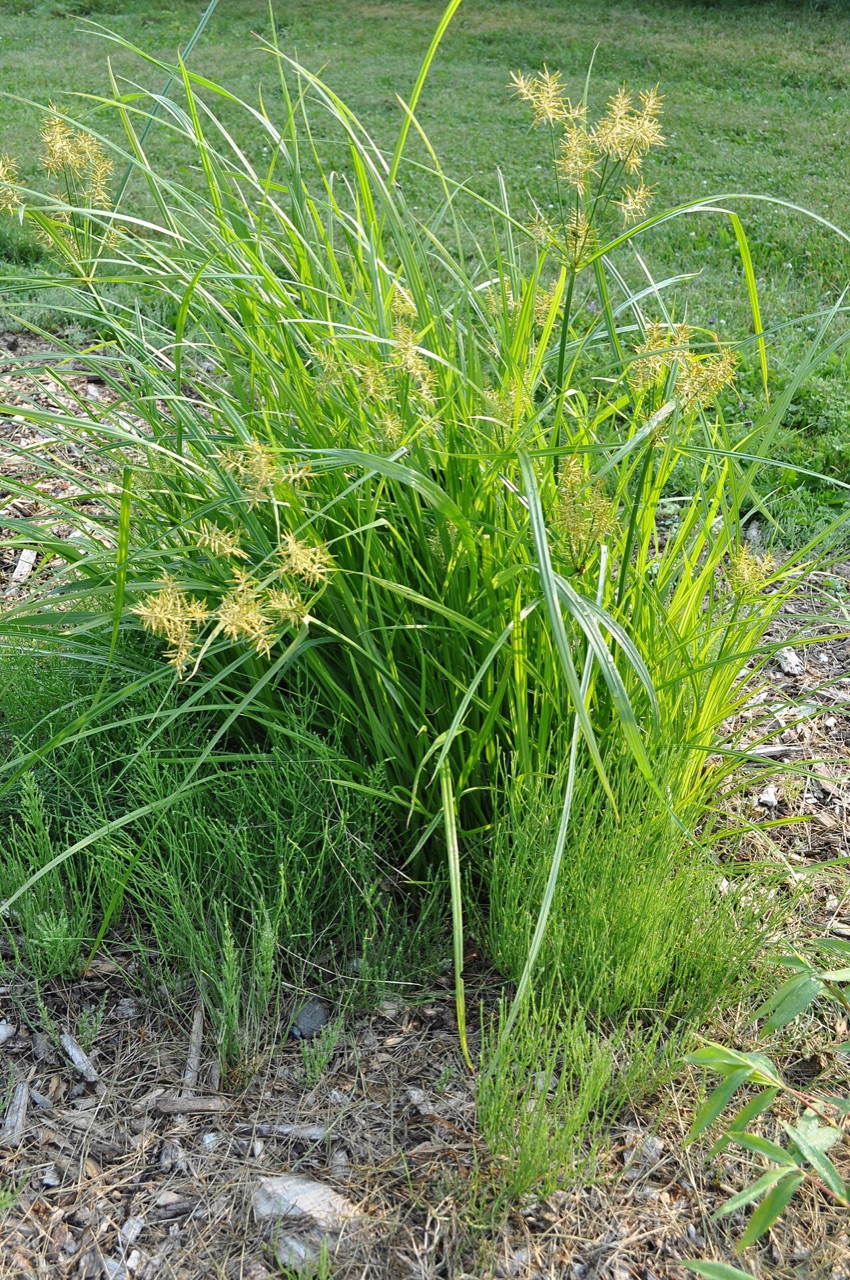
Yellow Nutsedge (Cyperus esculentus) growing in a lawn
Perennial

Yellow Nutsedge

Cyperus esculentus

How to spot it: Bright yellow-green, grass-like blades that grow faster than the lawn; triangular stem (“sedges have edges”). Spreads by underground tubers.

How we control it: Needs a sedge-specific product applied in early summer, before new tubers form. Ordinary weed killers do little.

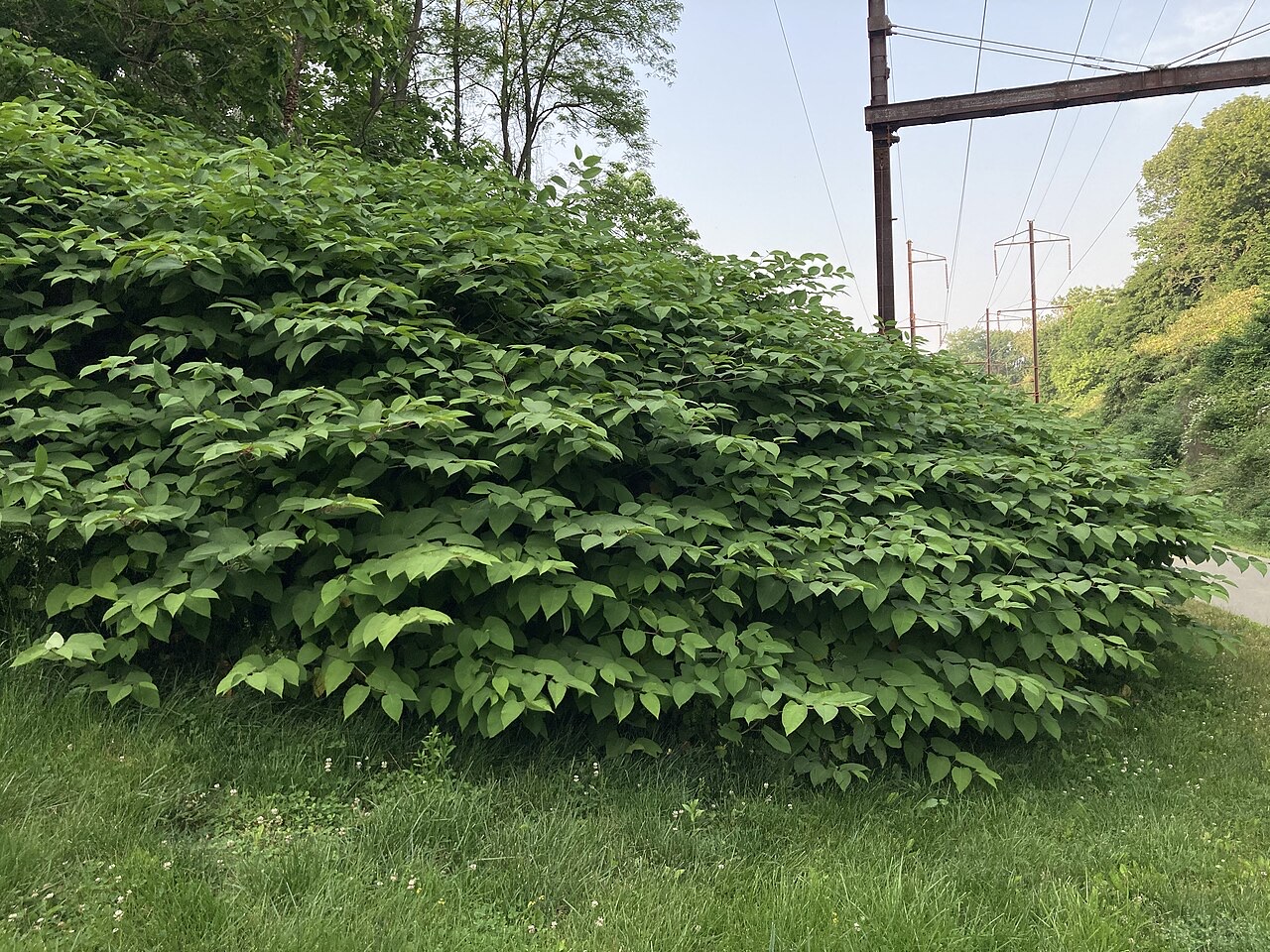
Japanese Knotweed (Reynoutria japonica) growing in a lawn
Perennial

Japanese Knotweed

Reynoutria japonica

How to spot it: Tall, bamboo-like hollow stems with broad heart-shaped leaves and sprays of small white flowers in late summer; spreads aggressively by rhizomes.

How we control it: Highly invasive — takes repeated, well-timed treatments over more than one season. Don’t mow or chop it and scatter the pieces.

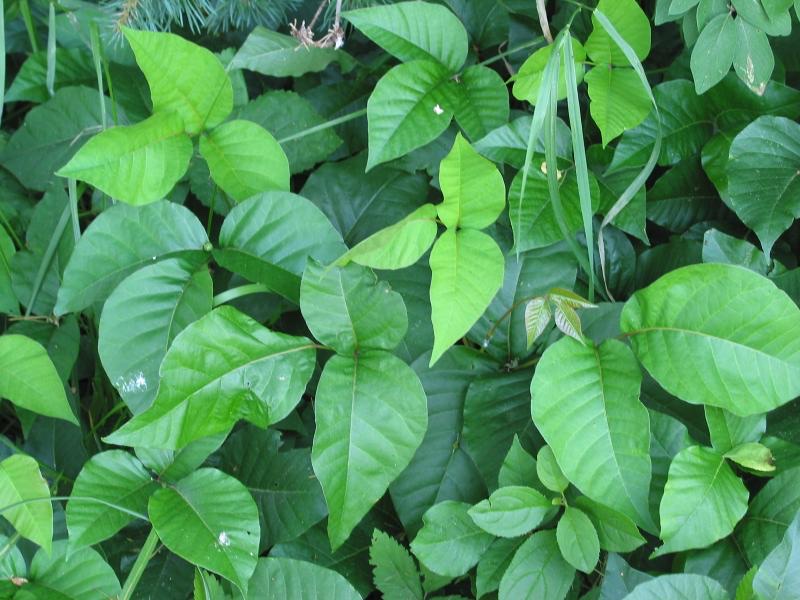
Poison Ivy (Toxicodendron radicans) growing in a lawn
Perennial

Poison Ivy

Toxicodendron radicans

How to spot it: “Leaves of three” — the middle leaflet on a longer stalk; grows as a ground cover, shrub or hairy climbing vine. Causes a rash.

How we control it: Targeted treatment where it grows along fences, beds and tree lines. Never burn it — the smoke is dangerous.

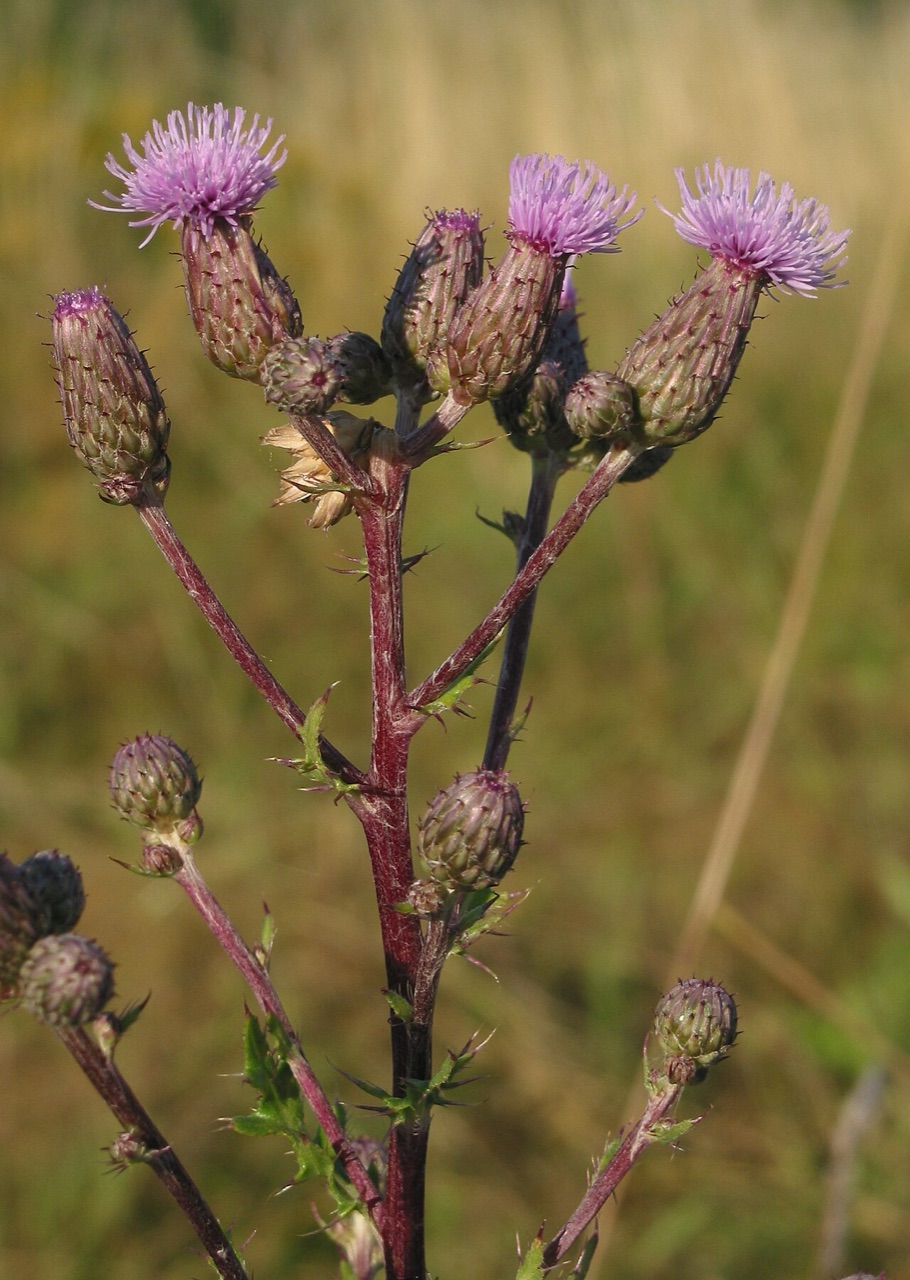
Canada Thistle (Cirsium arvense) growing in a lawn
Perennial

Canada Thistle

Cirsium arvense

How to spot it: Spiny, wavy-edged leaves and small purple flowers; spreads by deep creeping roots into patches.

How we control it: Repeated broadleaf treatments, with fall the most effective timing for reaching the roots.

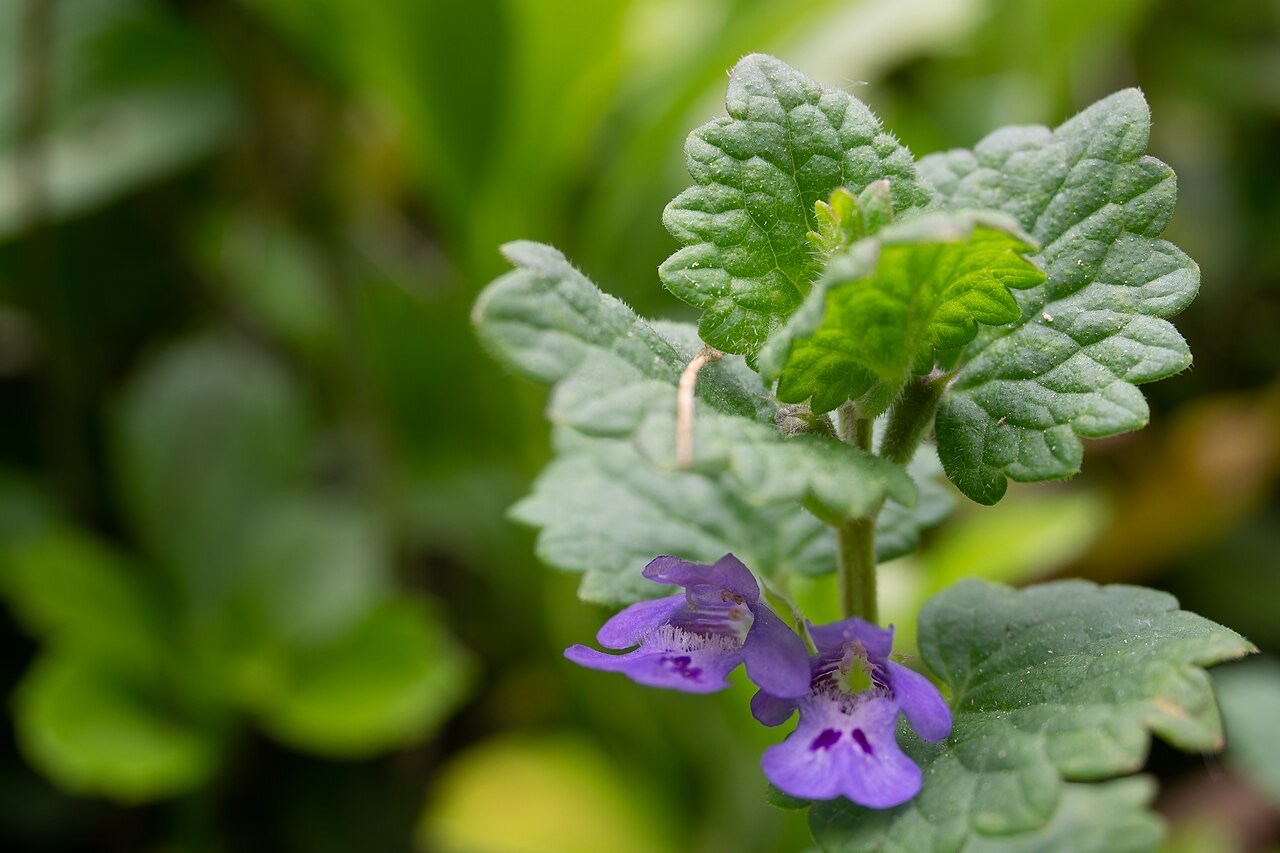
Ground Ivy (Creeping Charlie) (Glechoma hederacea) growing in a lawn
Perennial

Ground Ivy (Creeping Charlie)

Glechoma hederacea

How to spot it: Round, scalloped leaves on square creeping stems, small purple flowers in spring, and a minty smell when mowed. Loves shade.

How we control it: Fall broadleaf treatment, often repeated. Improving density in shady areas keeps it from coming back.

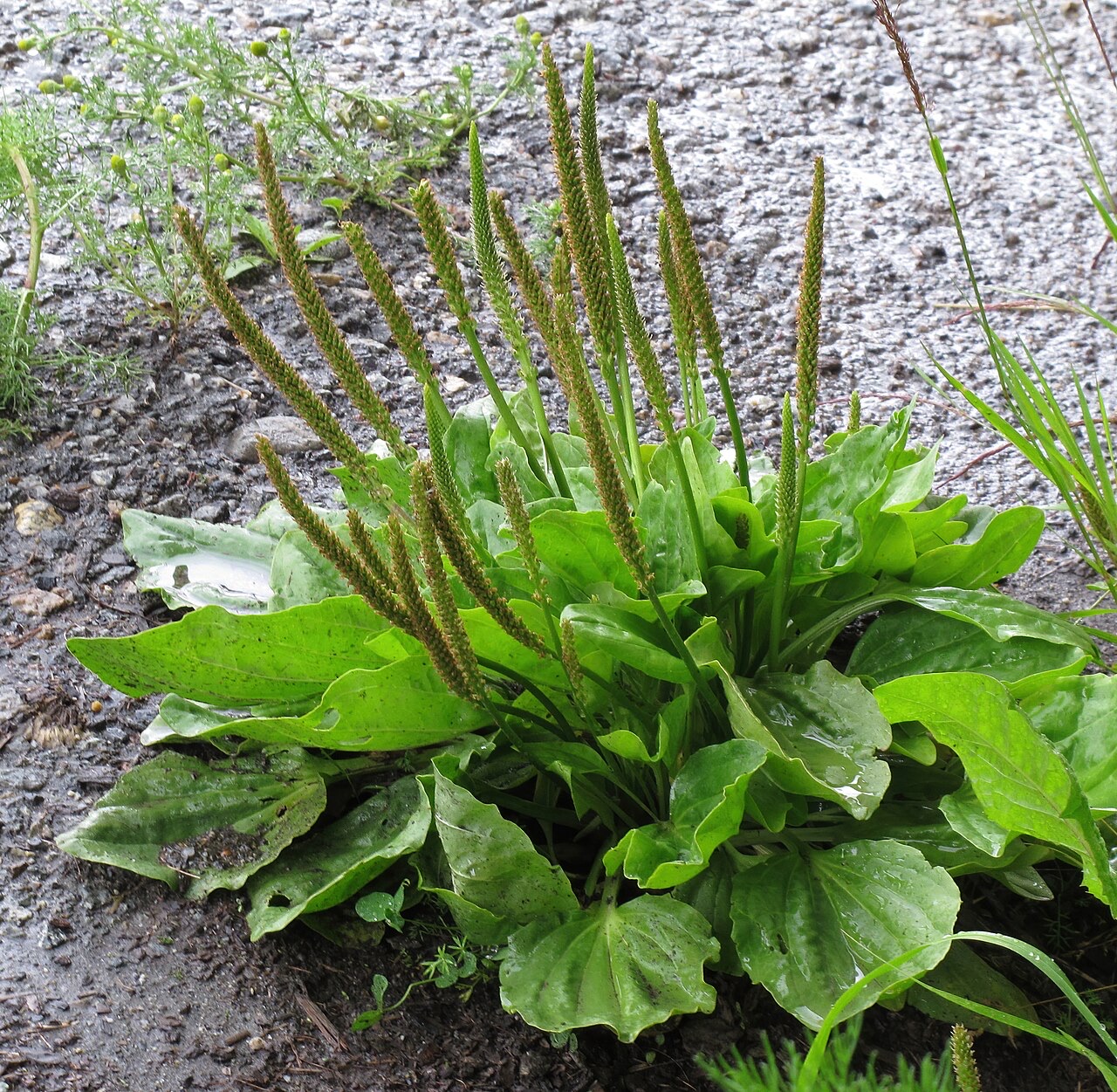
Broadleaf Plantain (Plantago major) growing in a lawn
Perennial

Broadleaf Plantain

Plantago major

How to spot it: Flat rosette of broad, oval leaves with strong parallel veins and tall, narrow seed spikes. Common in compacted soil.

How we control it: Broadleaf treatment in spring or fall; aerating compacted areas helps keep it out.

Come back from seed

Annual Weeds

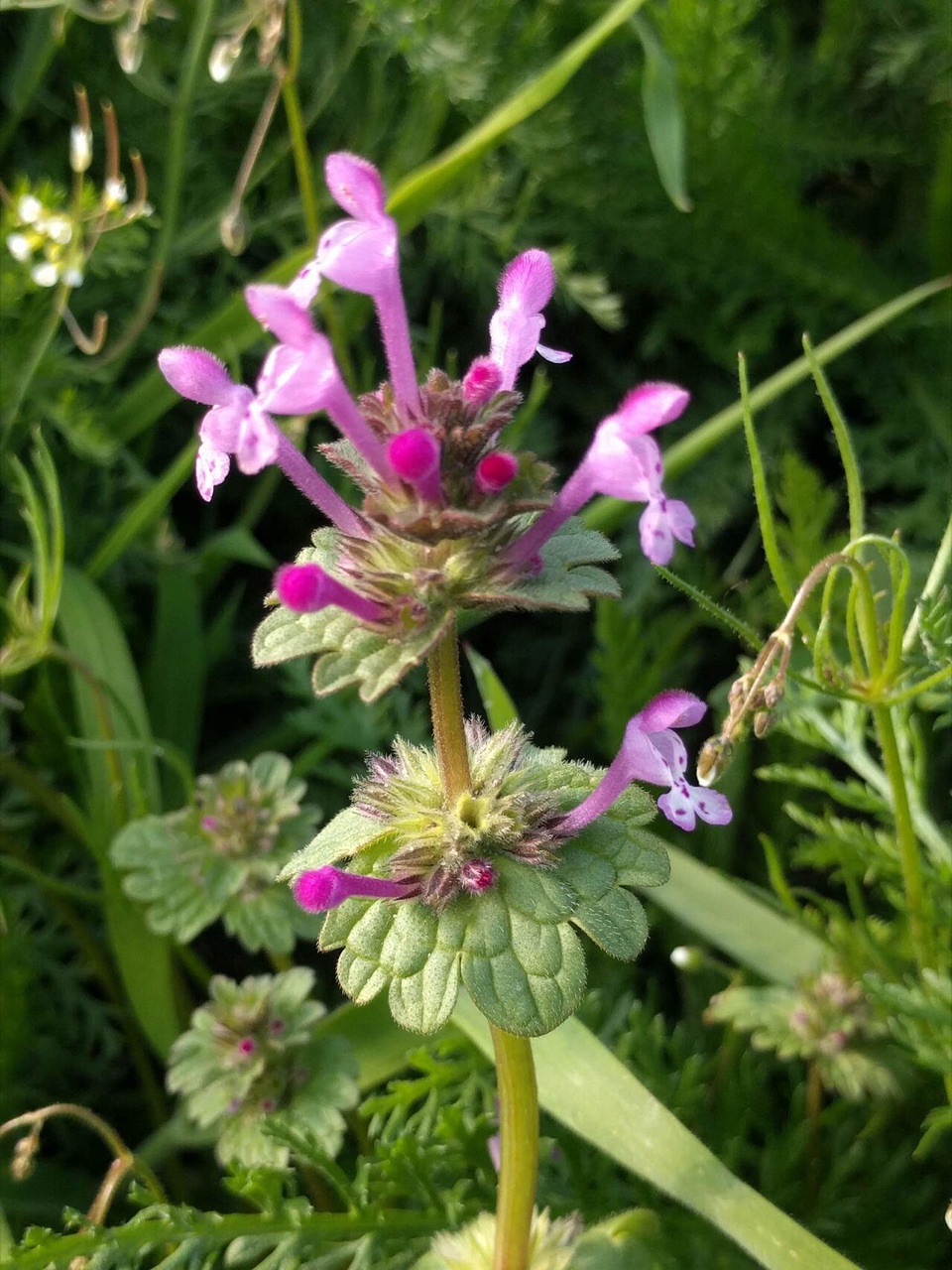
Henbit (Lamium amplexicaule) growing in a lawn
Annual

Henbit

Lamium amplexicaule

How to spot it: Square stems, scalloped leaves that wrap the stem, and small pink-purple flowers in early spring. A winter annual.

How we control it: It sprouts in fall — so fall pre-emergent or a fall broadleaf treatment stops it before the spring bloom.

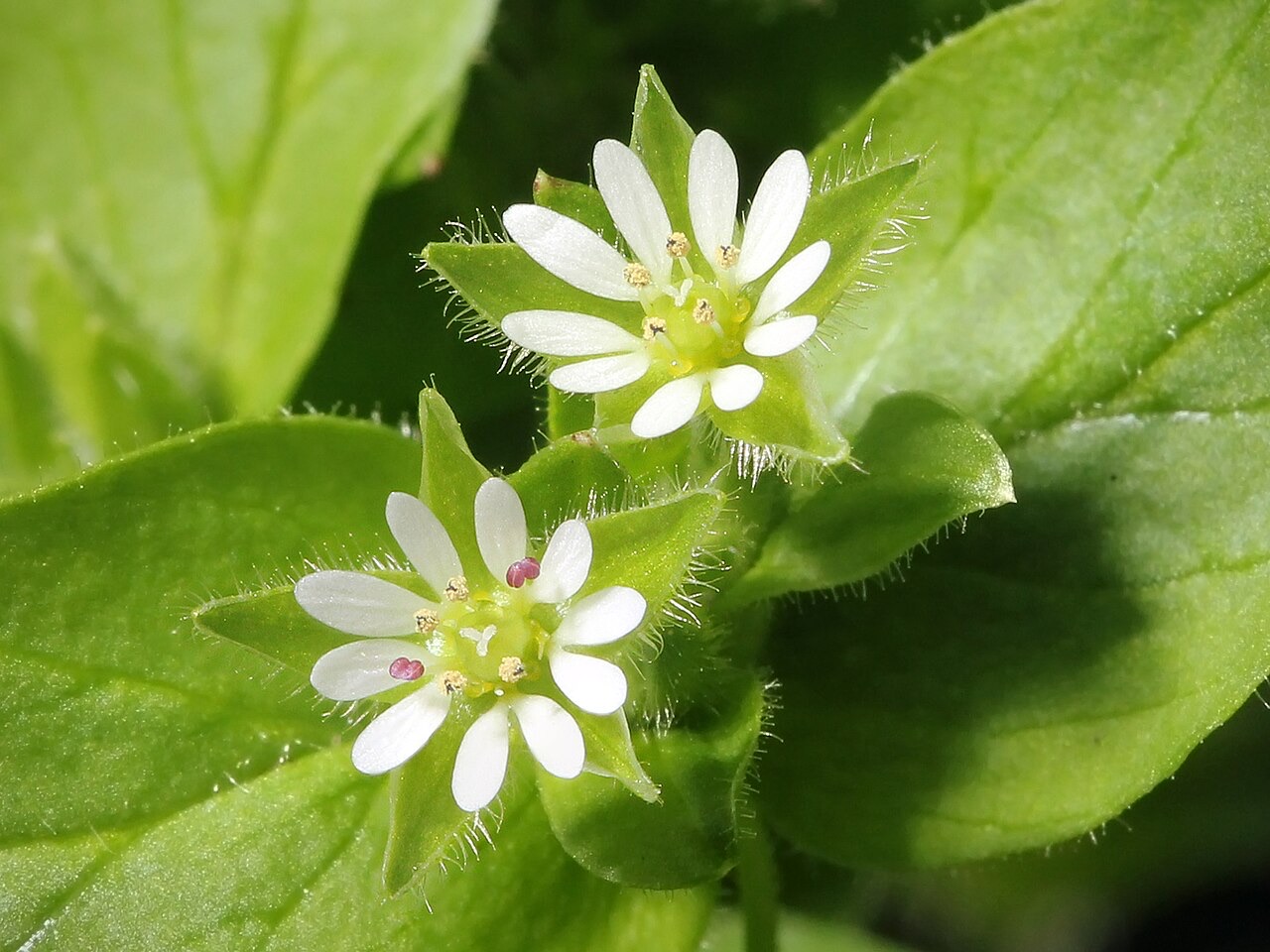
Chickweed (Stellaria media) growing in a lawn
Annual

Chickweed

Stellaria media

How to spot it: Low mats of small, smooth, pointed oval leaves with tiny white star-shaped flowers. A winter annual that thrives in cool, moist shade.

How we control it: Fall or early-spring broadleaf treatment; a thick lawn keeps it from establishing.

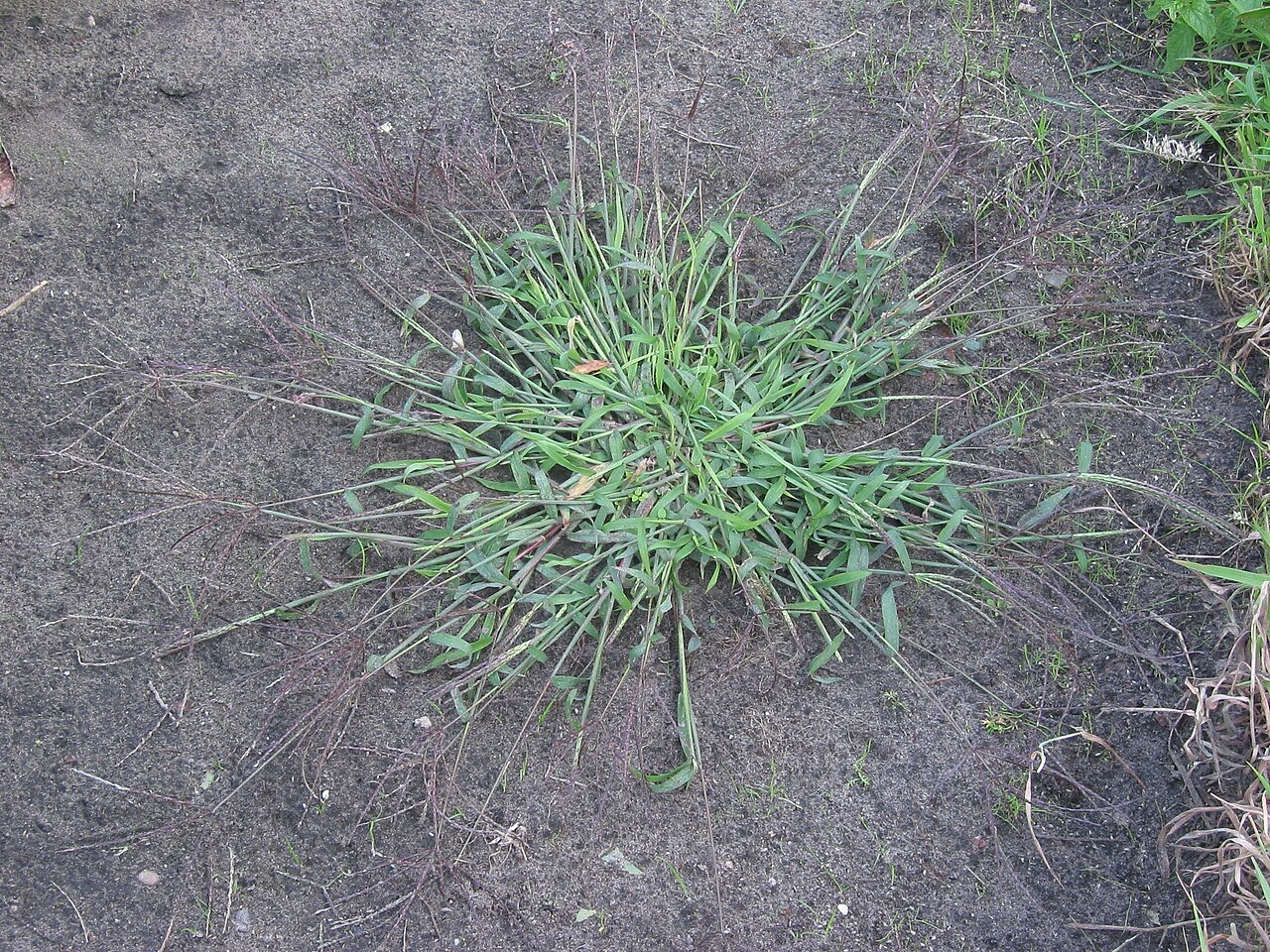
Crabgrass (Digitaria spp.) growing in a lawn
Annual

Crabgrass

Digitaria spp.

How to spot it: Coarse, light-green grass that sprawls in low clumps from a central point, thriving in hot weather along driveways, sidewalks and thin turf.

How we control it: Prevention: a pre-emergent applied before spring soil temperatures reach about 55°F. Once it’s up, it needs a post-emergent product.

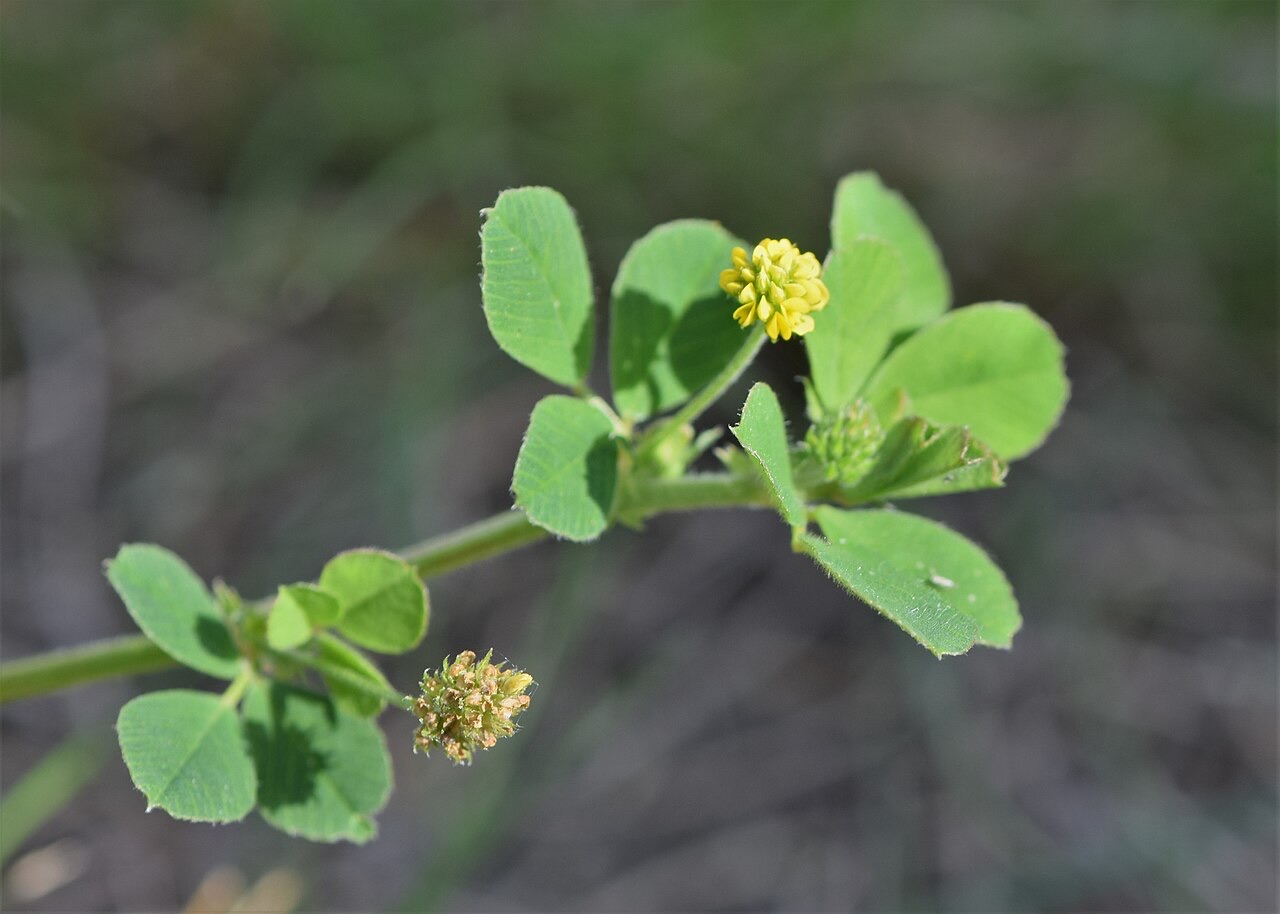
Black Medic (Medicago lupulina) growing in a lawn
Annual

Black Medic

Medicago lupulina

How to spot it: Clover-like three-part leaves (the middle leaflet on a short stalk) and tiny yellow ball-shaped flowers that turn into black seed pods.

How we control it: Broadleaf treatment plus better fertility — like clover, it takes over where nitrogen is low.

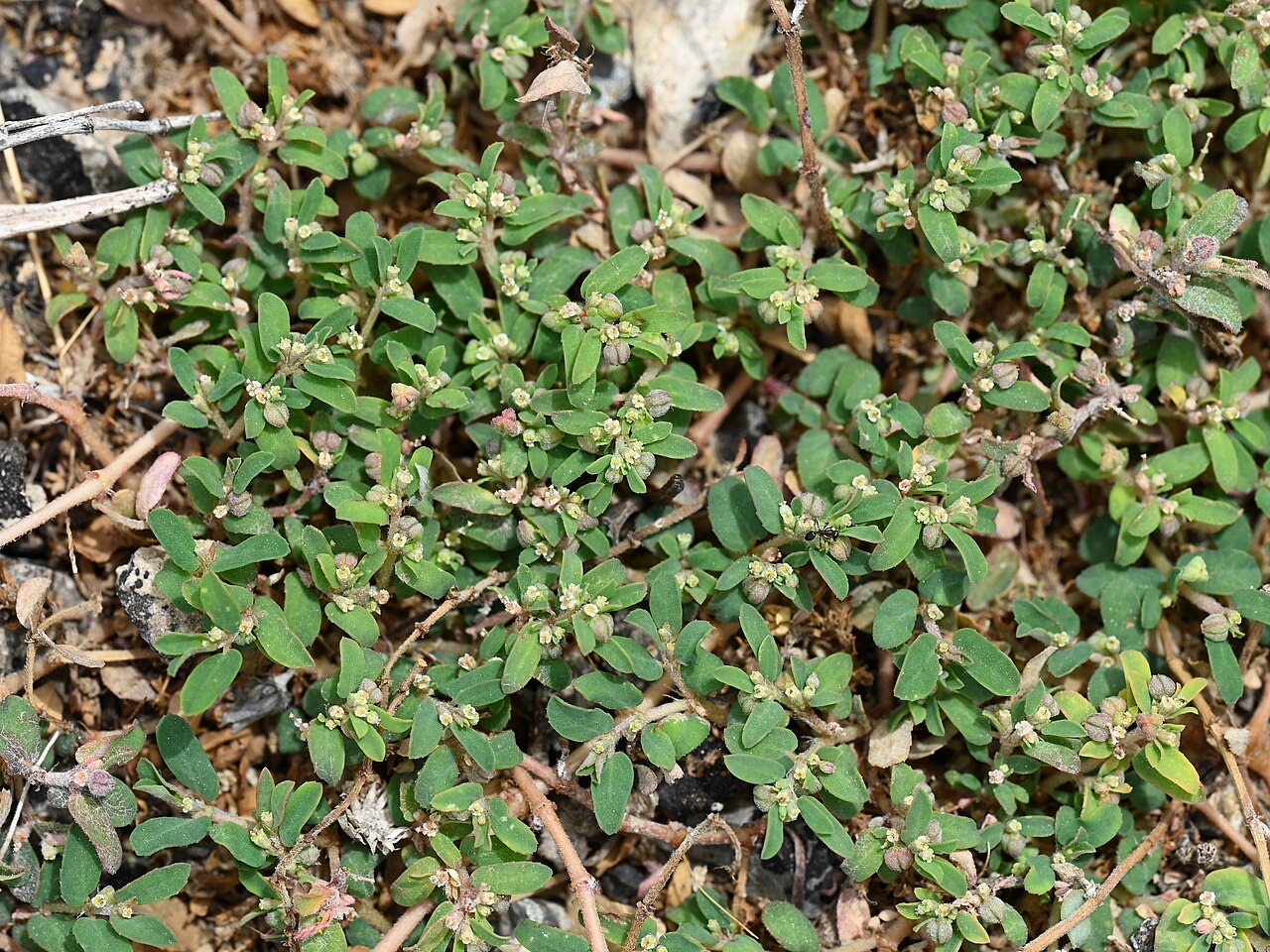
Prostrate Spurge (Euphorbia maculata) growing in a lawn
Annual

Prostrate Spurge

Euphorbia maculata

How to spot it: Flat, mat-forming summer weed with small oval leaves (often with a red spot) and milky sap in the stems.

How we control it: Pre-emergent prevents it; established plants need a post-emergent treatment in summer.

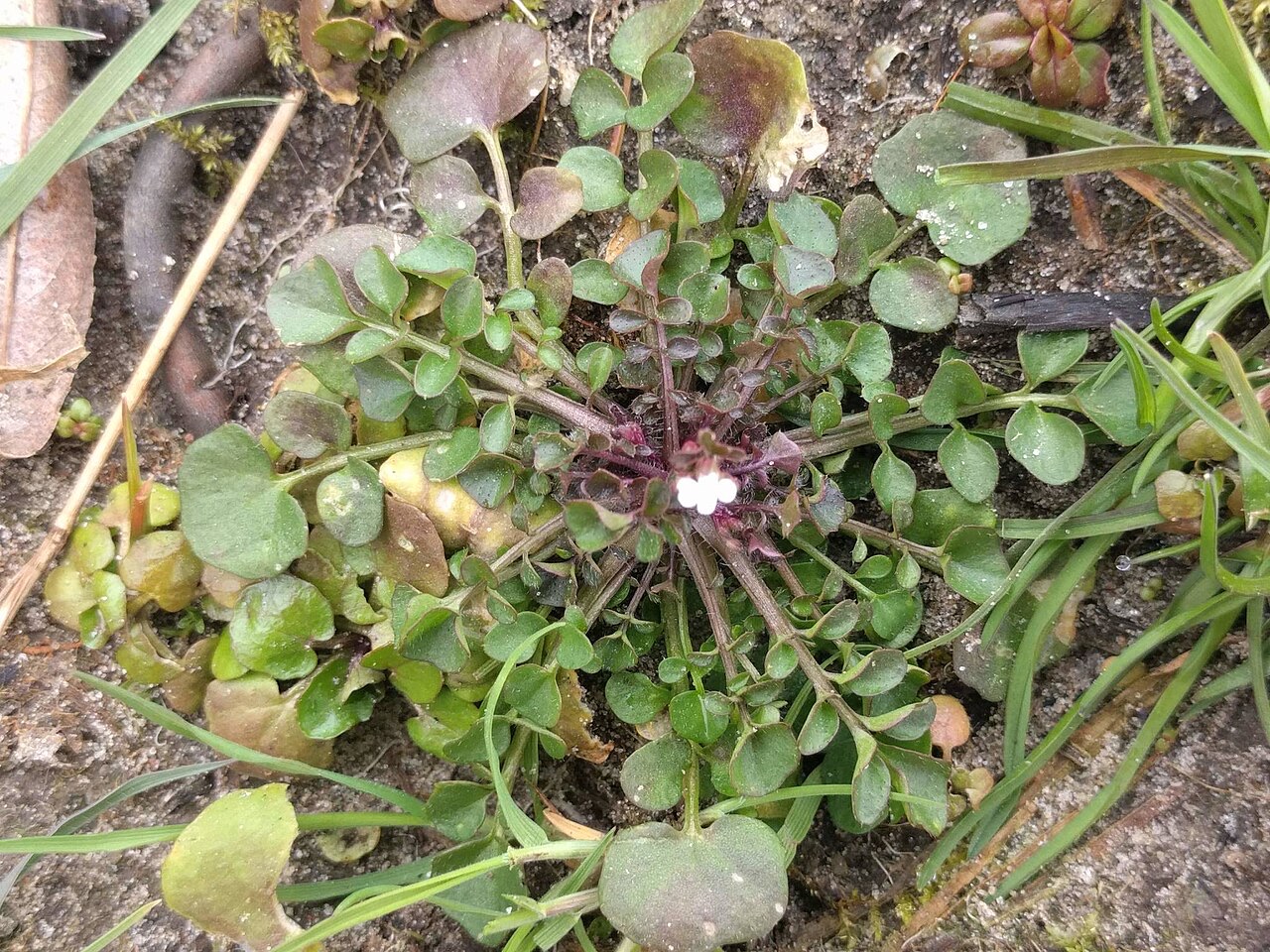
Hairy Bittercress (Cardamine hirsuta) growing in a lawn
Annual

Hairy Bittercress

Cardamine hirsuta

How to spot it: Small rosette of round leaflets with tiny white flowers and slender seed pods that burst and fling seed when touched.

How we control it: Treat in fall or early spring before it sets seed; common in mulched beds, too.

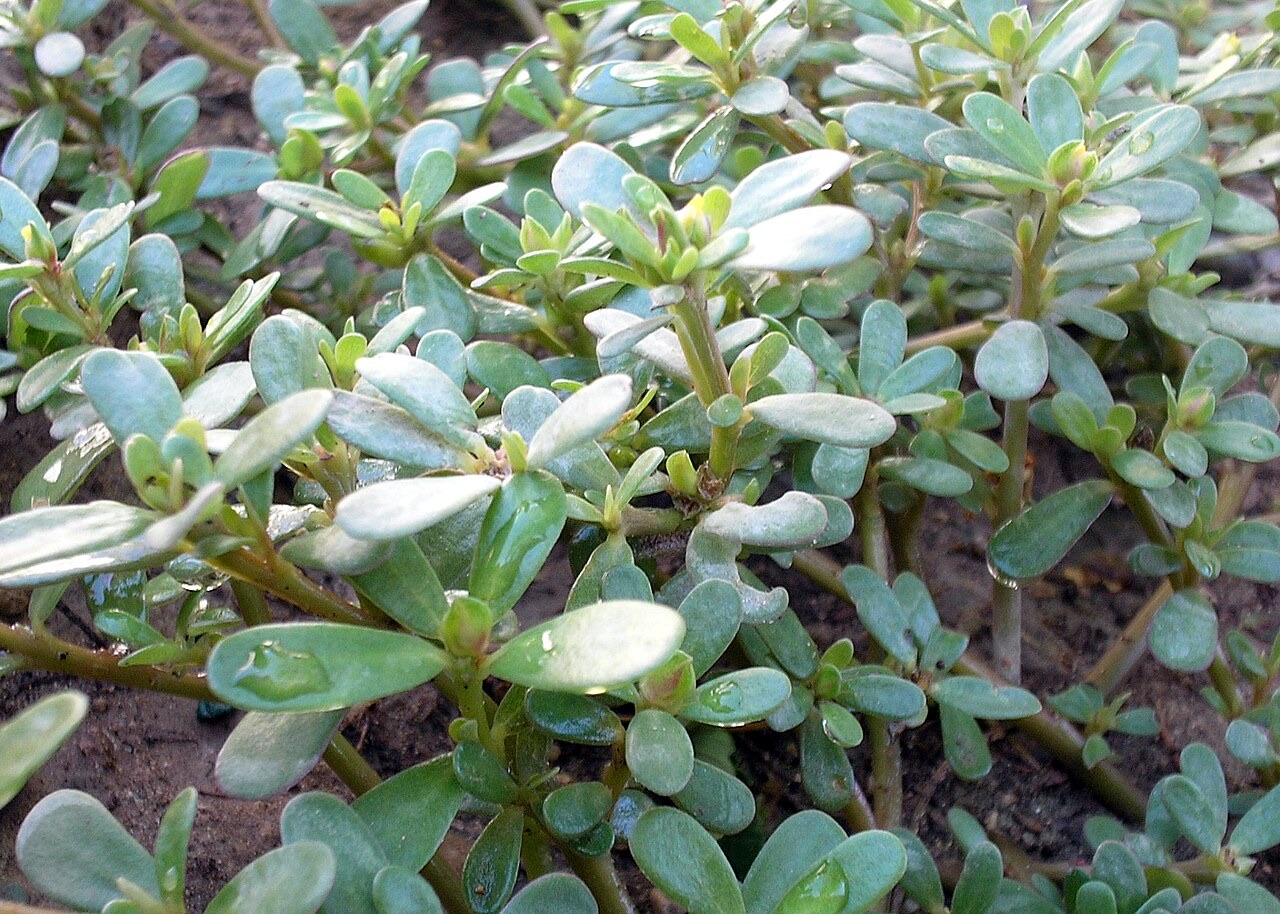
Purslane (Portulaca oleracea) growing in a lawn
Annual

Purslane

Portulaca oleracea

How to spot it: Thick, succulent, paddle-shaped leaves on reddish fleshy stems, sprawling in hot, dry, thin spots.

How we control it: Pre-emergent prevents it; established plants are tough because of their stored water and need a proper post-emergent.

Rather not fight them yourself?

Let Us Kill Them Dead

Unlike watered-down store-bought herbicides, ours have the potency to kill weeds dead. Get a free weed control quote.